Latest Greece News
ertnews.gr
Χιλιάδες διαδηλωτές στους δρόμους της Σερβίας παρά την ανακοίνωση παραίτησης του Βούτσιτς
Χιλιάδες διαδηλωτές συγκεντρώθηκαν στην σερβική πόλη Κράλιεβο την Κυριακή (28/06), συνεχίζοντας την πίεση στον πρόεδρο Αλεξάνταρ Βούτσιτς μια ημέρα αφότου δήλωσε ότι θα παραιτηθεί (εντός των επόμενων εβδομάδων), προκειμένου να ανοίξει ο δρόμος για πρόωρες προεδρικές και βουλευτικές εκλογές. Αν και πολλοί διαδηλωτές εξέφρασαν την ικανοποίησή τους για την παραίτηση του Βούτσιτς, φοβούνται ότι μπορεί να μην παραιτηθεί πλήρως από την εξουσία. Αναλυτές αναφέρουν ότι μπορεί να προσπαθήσει να θέσει υποψηφιότητα για πρωθυπουργός και να εγκαταστήσει έναν σύμμαχό του στην Προεδρία, ώστε να μπορεί να συνεχίσει να ασκεί την εξουσία. «Δεν μπορώ να φανταστώ ότι θα παραιτηθεί και θα αφήσει την εξουσία σε κάποιον άλλο», δήλωσε ο Μάρκο Τζόκιτς, ένας 41χρονος ειδικός στην πληροφορική που επέστρεψε στην πόλη καταγωγής του για τις διαμαρτυρίες. Ο Βούτσιτς, ο οποίος βρίσκεται στην εξουσία ως πρωθυπουργός ή πρόεδρος επί 12 χρόνια, έχει αντιμετωπίσει μήνες διαμαρτυριών υπό την ηγεσία φοιτητών, οι οποίες πυροδοτήθηκαν από την κατάρρευση μιας τσιμεντένιας τέντας σε σιδηροδρομικό σταθμό στην πόλη Νόβι Σαντ στα τέλη του 2024, η οποία στοίχισε τη ζωή σε 16 ανθρώπους. Το περιστατικό έγινε σύμβολο αυτού που πολλοί Σέρβοι θεωρούν κακοδιαχείριση της κυβέρνησης και διαφθορά υπό τον Βούτσιτς. Οι επακόλουθες διαμαρτυρίες ήταν οι μεγαλύτερες στη Σερβία από την ανατροπή του Σλόμπονταν Μιλόσεβιτς το 2000. Ο Βούτσιτς αρνείται οποιαδήποτε διαφθορά. Την Κυριακή, ο κόσμος αψήφησε ένα κύμα καύσωνα για να συγκεντρωθεί σε μια διαμαρτυρίασε μια κεντρική πλατεία στο Κράλιεβο, όπου πανό έγραφαν «Οι φοιτητές νικούν». Χιλιάδες διαδηλωτές κυμάτιζαν σερβικές σημαίες καθώς συγκεντρώνονταν ειρηνικά. «Δεν μπορούμε να συνεχίσουμε έτσι, τα πράγματα πρέπει να αλλάξουν», δήλωσε ο Ίλια Κόρντασιτς, ο οποίος συμμετείχε από τη βορειοανατολική πόλη Ζρένιανιν. Η Γελένα Ντάνιτσιτς, καθηγήτρια σερβικής γλώσσας, δήλωσε πριν από το συλλαλητήριο: «Δεν πρόκειται απλώς για μια πολιτική διαμάχη, αλλά για μια μάχη μεταξύ καλού και κακού». Οι αναλυτές αναμένουν ότι οι Βρυξέλλες και η Μόσχα θα παρακολουθούν στενά την εξέλιξη των γεγονότων τις επόμενες εβδομάδες. Η ΕΕ καταδίκασε τη χρήση βίας εναντίον ειρηνικών διαδηλωτών στη Σερβία και εξέφρασε ανησυχίες για την ελευθερία του Τύπου και την ανεξαρτησία της δικαστικής εξουσίας. Η Σερβία, η οποία βρίσκεται στο ανατολικό κατώφλι της ΕΕ, είναι υποψήφια για ένταξη στο μπλοκ, αλλά το Βελιγράδι εξακολουθεί να έχει ισχυρούς δεσμούς με τη Ρωσία και την Κίνα. Ο Βούτσιτς έχει ακολουθήσει μια λεπτή γραμμή διπλωματικά, προσπαθώντας να εξισορροπήσει αυτές τις σχέσεις. Πριν η Σερβία μπορέσει να ενταχθεί στην ΕΕ, πρέπει να βελτιώσει το κράτος δικαίου, συμπεριλαμβανομένων των συνθηκών για ελεύθερες και δίκαιες εκλογές, και να εξαλείψει τη διαφθορά και το οργανωμένο έγκλημα. Πρέπει επίσης να ευθυγραμμίσει τις εξωτερικές πολιτικές της με εκείνες του μπλοκ και να δημιουργήσει σχέσεις με την πρώην επαρχία της, το Κόσοβο, το οποίο κήρυξε την ανεξαρτησία του το 2008. Πηγή: Reuters www.ertnews.gr
ertnews.gr
Βενεζουέλα: Ένας άνδρας και ο γιος του διασώθηκαν τέσσερις ημέρες μετά τον σεισμό
Ένας άνδρας και ο έφηβος γιος του ανασύρθηκαν από τα ερείπια την Κυριακή, σχεδόν τέσσερις ημέρες μετά τους δύο σεισμούς που συγκλόνισαν τη Βενεζουέλα, αναφέρουν δημοσιογράφοι του Γαλλικού Πρακτορείου στην Καραμπαλέδα, μια παραθαλάσσια πόλη που ισοπεδώθηκε από την καταστροφή. Αμερικανικές και γαλλικές ομάδες διάσωσης μετέφεραν το αγόρι και τον πατέρα του μέσα από ένα βουνό ερειπίων, και οι δύο γυμνοί πάνω σε φορεία. Νωρίτερα, ο ο πρόεδρος της Εθνοσυνέλευσης Χόρχε Ροδρίγκες, ανακοίνωσε ότι ο αριθμός των επιβεβαιωμένων νεκρών αυξήθηκε από τις 1.430 στις 1.450, καθώς και ότι 774 κτίρια έχουν υποστεί ζημιές, εκ των οποίων 189 κατέρρευσαν ολοσχερώς. Σύμφωνα με τα Ηνωμένα Έθνη, ο αριθμός των αγνοουμένων υπολογίζεται σε 50.000 περίπου. Πηγή: Γαλλικό Πρακτορείο www.ertnews.gr
Keep Talking Greece
OPEKEPE scandal: 57 farmers from Crete found guilty over false land declarations in N. Greece
A three-member misdemeanor court found 57 out of 58 farmers from Crete guilty in a case concerning alleged illegal subsidy payments from OPEKEPE, based on false declarations of land in northern Greece. The case concerned farmers from Crete who, according to the European Public Prosecutor’s Office, falsely declared that they owned or used thousands of […] The post OPEKEPE scandal: 57 farmers from Crete found guilty over false land declarations in N. Greece appeared first on Keep Talking Greece.
Keep Talking Greece
Acropolis opens again for exclusive private tours at €5,000
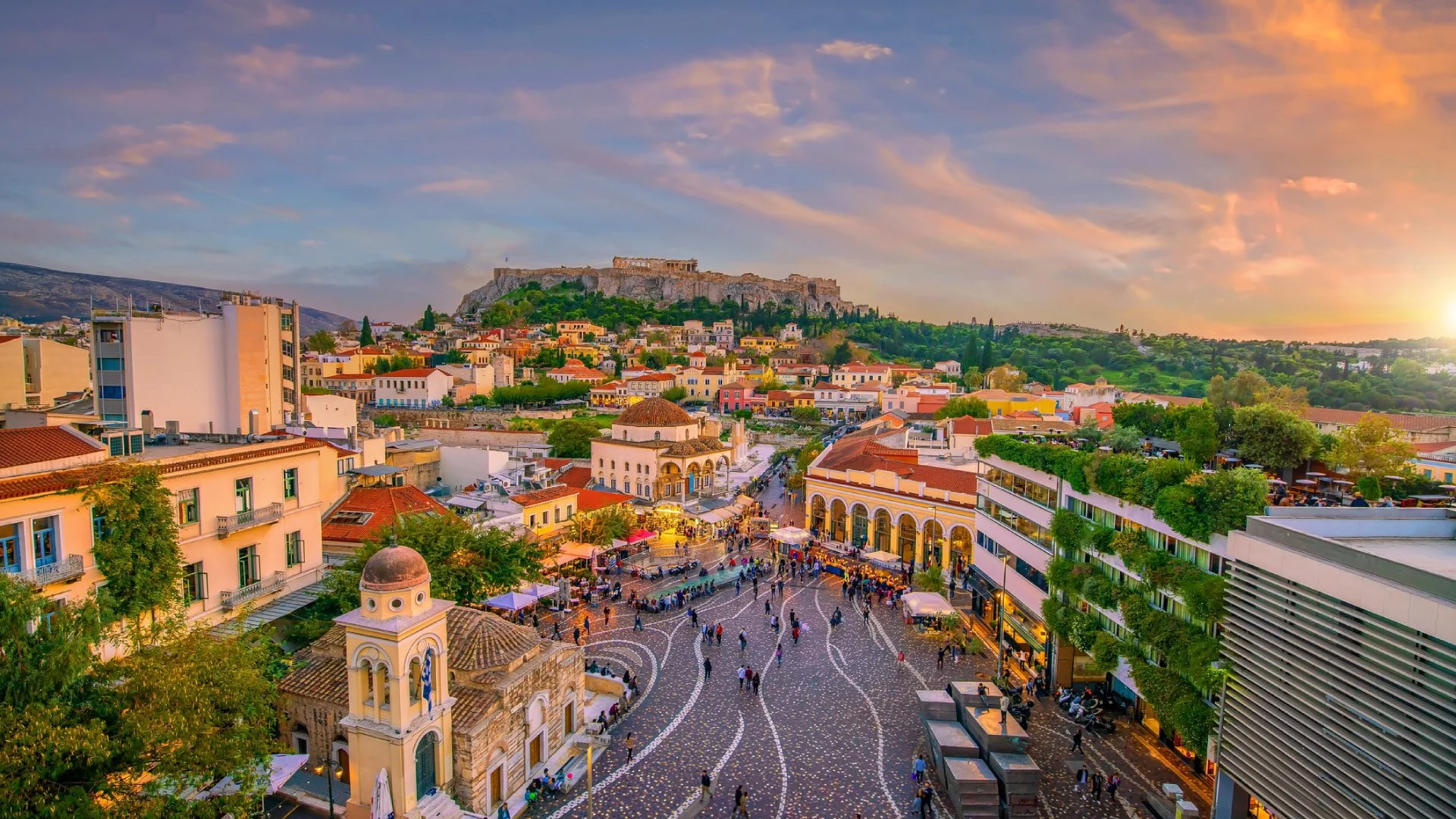
The Acropolis of Athens opens again for small exclusive guided tours away from the masses of tourists who visit the “Holy Rock” during the normal visiting hours. The price of 5,000 is a bit high, however, a personalized guided tour of up to five people “under the first light of dawn or the glow of […] The post Acropolis opens again for exclusive private tours at €5,000 appeared first on Keep Talking Greece.
GreekReporter.com
1300 Excess Deaths Recorded in Europe During Week of Heatwave
The current heatwave caused at least 1300 excess deaths across Europe within one week. Credit: EPA/Radek Pietruszka via AMNA 1300 excess deaths were recorded in Europe in the week starting June 21 as a result of the extreme high temperatures that hit the continent, according to data from the World Health Organisation. The current heatwave, which moved east towards the Balkans from Saturday, is expected to wear off on Monday. “Heat stress is often called the “silent killer” – and European homes, workplaces and schools were not built for these temperatures,” WHO Director-General Tedros Adhanom Ghebreyesus wrote on X. The top level official said WHO is working with its Member States and partners to address the health threats posed by extreme heat through focusing on preparedness, prevention and stronger health system responses. “In particular, we are encouraging European countries to implement heat health action plans, as part of the broader agenda to protect health against climate change,” he noted. Fastest-warming continent on Earth Ghebreyesus observes that Europe is the fastest-warming continent on Earth, heating at twice the global average. “Right now, 150 million people are living under extreme heat, hundreds have died, schools are shut, grids are buckling. Driven by climate change and global warming, the phenomenon of the “once-in-a-generation” heatwave is now occurring nearly annual,” he describes. “We were warned.” The Heat-Health Action Plans Guidance published by WHO sees the interacting trends of climate change, ageing populations and urbanization creating a “perfect storm” of vulnerability to extreme heat, putting pressure on health systems and increasing costs to society. Urbanization in specific, exacerbates the impact of rising temperatures, making cities hotspots of extreme heat. Urban areas experience air temperatures that can be several degrees Celsius warmer than surrounding areas, especially during the night. Heatwave worst in urban areas across Europe The higher temperatures observed in urban environments are mainly due to the urban heat island effect, WHO explains, which results from several factors – including reduced ventilation and heat trapping due to the close proximity of tall buildings; heat generated directly from human activities; the heat-absorbing properties of asphalt, concrete and other urban building materials; and the limited amount of vegetation. In addition, as the population of the WHO European Region ages, health systems need to prepare for the growing number of heat related illnesses among older adults, the guidance warns. The number of people aged 65 years and over living in cities is expected to more than triple in the Region, reflecting the combined effects of population ageing and urbanization. When these trends are combined with intensifying heat extremes, they could increase by 10 times or more the exposure of populations at increased risk to the most dangerous heat events by 2050.
GreekReporter.com
The Unique Quality of the Greek Language
Frontispiece depicting Epictetus, a Stoic philosopher who considered the unique Greek language to be of great importance. From A selection from the Discourses of Epictetus with the Encheiridion. Credit: impuslenine, CC BY 2.0 The unique quality of the Greek language lies in the fact that the phoneme of a word and the meaning of that word are mostly identical. The signifier and the signified are two important terms in the use of language. The signifier is the object, the word, the image or action. The signified is the concept behind the object that is being represented. The Greek language is unique in that the signifier and the signified are most often the same word. This quality appeared as early as the late 6th century BC in Greek tragedy. The word philanthropy (‘philanthropia’ in Greek), for example, is defined as love for man: “Philo ton anthropon” means “love for mankind.” Hence, the signifier (philanthropy) and the signified (love for mankind) are the same word. Alternatively, the Greek word for statue is agalma. It derives from the verb ‘agallomai,’ which means “I rejoice, I am pleased.” It describes the pleasure one gets when admiring an ancient Greek statue with the perfect lines, the beautiful physique, the expression, and the emotion it depicts. Therefore, the word agalma not only describes the physical marble creation but also the emotion it sparks in the viewer of the statue. When a Roman and a Greek see a statue (‘statuam’ in Latin), both know what it is. However, the Latin word only describes the object. The Greek word not only describes the object, however, but also the feeling that the statue may induce in the observer. In both cases, the word used (the signifier) and the description of the subject, object, concept, or idea (the signified) are one and the same. To explain the difference between languages, in English, the word “statue” describes a static sculpture but not the feelings of the person viewing the statue. From the Stoics to Ferdinand de Saussure The distinction “signified – signifier” goes back to the Stoics, who put great emphasis on language and semiotics. They studied the relationship of language—mind—world and established the distinction of the word as a sign into signifier and signified. However, this distinction between the meaning of a word (the signified) and the way of declaring the meaning (signifier) corresponds, in practice, to an old, broader, and more general distinction of language in content and form. The main Stoic sources are biographer of Greek philosophers Diogenes Laertius (3rd century AD) and Greek philosopher and physician Sextus Empiricus (2nd century-early 3rd century AD). Sextus Empiricus highlighted the importance the Stoics put on the sign as an essential concept in human rationality and a threefold division consisting of the signifier, the signified, and the existent. However, the man who highlighted and established this distinction in linguistics and, consequently, in many other areas of the social sciences is Ferdinand de Saussure (1857-1913). The Swiss linguist, semiotician, and philosopher created a theory of the word and the sign. He is the proponent of the study of the linguistic sign and, together with the term semiology, Saussure searched into the structure of the word as a unique conventional combination of a certain signified (meaning) with a certain phthongic statement (signifier). Saussure posits that this combination is conventional, not causal. He uses the term “arbitrary,” which is not accepted today, and in relation to the very substance of the word, he shows that the signified (the meaning) is a mental entity. It is information that exists in our mind about how the meaning of a word is expressed in a certain language. Given that this relationship is conventional (established, according to Aristotle), we will not find it in other languages unless they belong to the same language family. From signifier and signified to four basic aspects According to Greek linguist Georgios Babiniotis, the signifier-signified linguistic dualism is inherent in all human language, but especially in Greek. All communication is also dualistic. It has a signifier and a signified. It has the level of the message, content, or information and the level of the form, statement, or, in other words, the expression of the content. In any case, we have the what and the how. The same happens in a text, and here we have content and form, signified and signifier. In a text, the signified is made up of a complex set of information with many functions, which lead to a correspondingly complex form of the signifier of the text. Finally, because the relationship between content and form is never 1:1, there is always the possibility of choices, which is the most creative process of language, Babiniotis argues. For Saussure, signifier and signified constitute the internal side of the linguistic sign (the word) and correspond externally—the signified to some object to which it refers (“reference object”) and the signifier to a succession of syllables that declare it sonically or to a specific representation of letters, often historically determined (“historical orthography”), in the written word. Therefore, there are four basic aspects of a word, or four pieces of information. These are the signified (meaning), the signifier (word), the object of reference (to which the signified refers), and the sound of the word (what the speaker articulates and the interlocutor hears). The terms ‘signifier’ and ‘signified’ established by Saussure resonated in the linguistic work of modern French constructivists such as Roland Barthes, Claude Lévi-Strauss, Michel Foucault, Jacques Lacan, Jacques Derrida et al.
tovima.com
Former World’s Fastest Ferry Aeolos Kenteris Heads for Scrap
Once dubbed the 'Concorde of the Aegean,' the pioneering high-speed ferry that revolutionized Greek island travel has ended its journey at a Turkish shipbreaking yard after years of abandonment
tovima.com
Senior Rescued After Jumping from Balcony of Burning Apt. (Vid)
Two passersby caught the 75-year-old woman after she became trapped by flames in a first-floor apartment fire in the Kallithea district
BBC News
Eleven killed after plane carrying skydivers crashes in eastern France
The pilot and 10 passengers - including five first-time parachutists - died in the incident, local officials said.
BBC News
Heatwave breaks records in Germany, Denmark and Czech Republic
An estimated 150 million people have been experiencing temperatures of over 35C across Europe.
BBC News
Trump threatens 100% tariff on European nations over tech tax
The US president says "Numerous European countries" have been discussing bringing in such a levy.
BBC News
Could you handle a 20-plus hour flight? This airline is banking on it
Some analysts say the first non-stop London to Sydney flight is a major milestone - but would you buy a ticket?
Al Jazeera – Breaking News, World News and Video from Al Jazeera
Pope Leo prays for Venezuela’s recovery after deadly quakes
Pope Leo expressed solidarity with Venezuelans after two deadly earthquakes claimed the lives of at least 1,400.
Al Jazeera – Breaking News, World News and Video from Al Jazeera
Israel kills four Palestinians in Gaza as attacks on tents continue
Israeli forces restrict Palestinian worshippers at Al-Aqsa Mosque and block the call to prayer at the Ibrahimi Mosque.
France 24 - International breaking news, top stories and headlines
Turkey police detain dozens at LGBTQ+ Pride event in Istanbul
Turkish police on Sunday detained at least 50 people, including a journalist, during a LGBTQ+ Pride event in Istanbul that went ahead despite a ban by local authorities. Homosexuality is not illegal in Turkey, but since 2015, the annual Pride march has been almost systematically banned and suppressed.
France 24 - International breaking news, top stories and headlines
New Caledonia votes: High stakes in France's Pacific territory
New Caledonia voted Sunday in local elections that are key to determining the French Pacific territory’s political future and relationship with France. FRANCE 24’s Leela Jacinto explains the stakes and how decolonization and demographics play critical roles in France’s Pacific foothold.