Ancient Greek theater holds a special place in the history of performing arts, with its influence still being felt in present-day theater and entertainment. The theater of ancient Greece originated as part of religious festivals honoring the god Dionysus, the god of wine and fertility. These theatrical performances were a blend of storytelling, music, and dance, and played a significant role in Greek society.
Category : | Sub Category : Posted on 2025-11-03 22:25:23
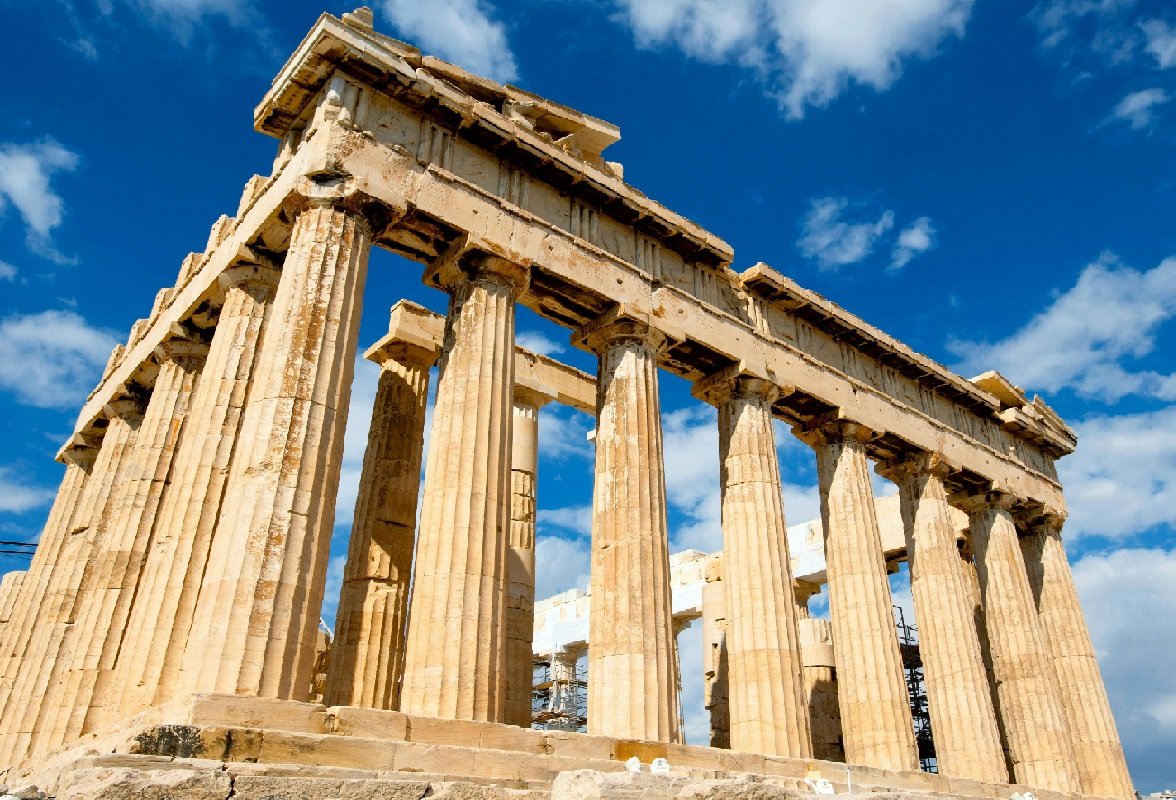
theater in ancient Greece can be traced back to the 6th century BCE, with the two major forms of dramas being tragedy and comedy. Tragedies were serious plays that often dealt with themes of fate, morality, and the consequences of human actions. They were typically performed in outdoor amphitheaters and featured a chorus that provided commentary and reflection on the events of the play. The works of playwrights such as Aeschylus, Sophocles, and Euripides are considered to be some of the greatest tragedies in the history of theater. Comedy, on the other hand, was a lighter form of entertainment that mocked politicians, intellectuals, and societal norms. These comedic plays were characterized by witty dialogue, satire, and slapstick humor, and provided a form of social commentary on the issues of the time. Playwrights like Aristophanes are well-known for their comedic works that have stood the test of time. The theater of ancient Greece also introduced several key elements that are still used in modern theater, such as the use of masks to portray different characters, the concept of the three-act structure, and the importance of catharsis - the emotional cleansing or purging experienced by the audience through the performance. The legacy of ancient Greek theater can be seen in the continued popularity of classical plays being performed around the world, as well as in the influence it has had on the development of modern theater and storytelling. The themes explored in Greek drama - such as the nature of power, the complexities of human relationships, and the struggle between fate and free will - continue to resonate with audiences today. In conclusion, the theater of ancient Greece was a vibrant and integral part of Greek culture, serving as a platform for artistic expression, social commentary, and religious worship. Its impact on the world of performing arts cannot be overstated, with its legacy continuing to inspire and captivate audiences thousands of years later. For more information about this: https://www.indicazioni.com To learn more, take a look at: https://www.cruzar.org Get more at https://www.abandonar.org Have a visit at https://www.culturelle.org For more information about this: https://www.departements.org Want to learn more? Start with: https://www.regionales.net
Leave a Comment:
SEARCH
Recent News
- The real estate market in Greece has seen significant fluctuations over the past few years, with varying trends and challenges impacting the sector. Meanwhile, Zurich, Switzerland, is renowned for its strong and stable real estate market, making it an attractive destination for property investors and homeowners alike.
- The Rise of Greek Startups in Zurich, Switzerland
- Zurich, Switzerland is renowned for its thriving financial sector and high quality of life. However, not many people are aware of the strong presence of Greek industry in the city. Over the years, Greek businesses have established a significant foothold in Zurich, contributing to the local economy and enriching the cultural diversity of the city.
- Zurich, known for its stunning scenery and vibrant business scene, is a bustling city in Switzerland that attracts people from all over the world. Among the diverse range of businesses that thrive in Zurich, Greek businesses play a significant role in contributing to the city's economic growth and cultural diversity.
- Zurich, Switzerland and Athens, Greece are two vibrant cities with their own unique business environments. While Zurich is known for its financial industry and high standard of living, Athens is a bustling hub for commerce and tourism.
- Creating YouTube content related to the real estate market in Greece can be a lucrative and exciting endeavor for content creators looking to reach a global audience. With the rise of online platforms, such as YouTube, real estate professionals have a unique opportunity to showcase properties, provide market insights, and attract potential investors from all over the world. In this blog post, we will explore the benefits of creating YouTube content focused on the real estate market in Greece and the importance of translation in reaching international viewers.
- Exploring YouTube Content Creation and Translation in Greek Startups
- Exploring the Greek Islands: A Travel Guide for Content Creators
READ MORE
10 months ago Category :

The real estate market in Greece has seen significant fluctuations over the past few years, with varying trends and challenges impacting the sector. Meanwhile, Zurich, Switzerland, is renowned for its strong and stable real estate market, making it an attractive destination for property investors and homeowners alike.
Read More →10 months ago Category :

The Rise of Greek Startups in Zurich, Switzerland
Read More →10 months ago Category :

Zurich, Switzerland is renowned for its thriving financial sector and high quality of life. However, not many people are aware of the strong presence of Greek industry in the city. Over the years, Greek businesses have established a significant foothold in Zurich, contributing to the local economy and enriching the cultural diversity of the city.
Read More →10 months ago Category :
