Greece Nationalism Movements: A Brief Overview
Category : | Sub Category : Posted on 2025-11-03 22:25:23
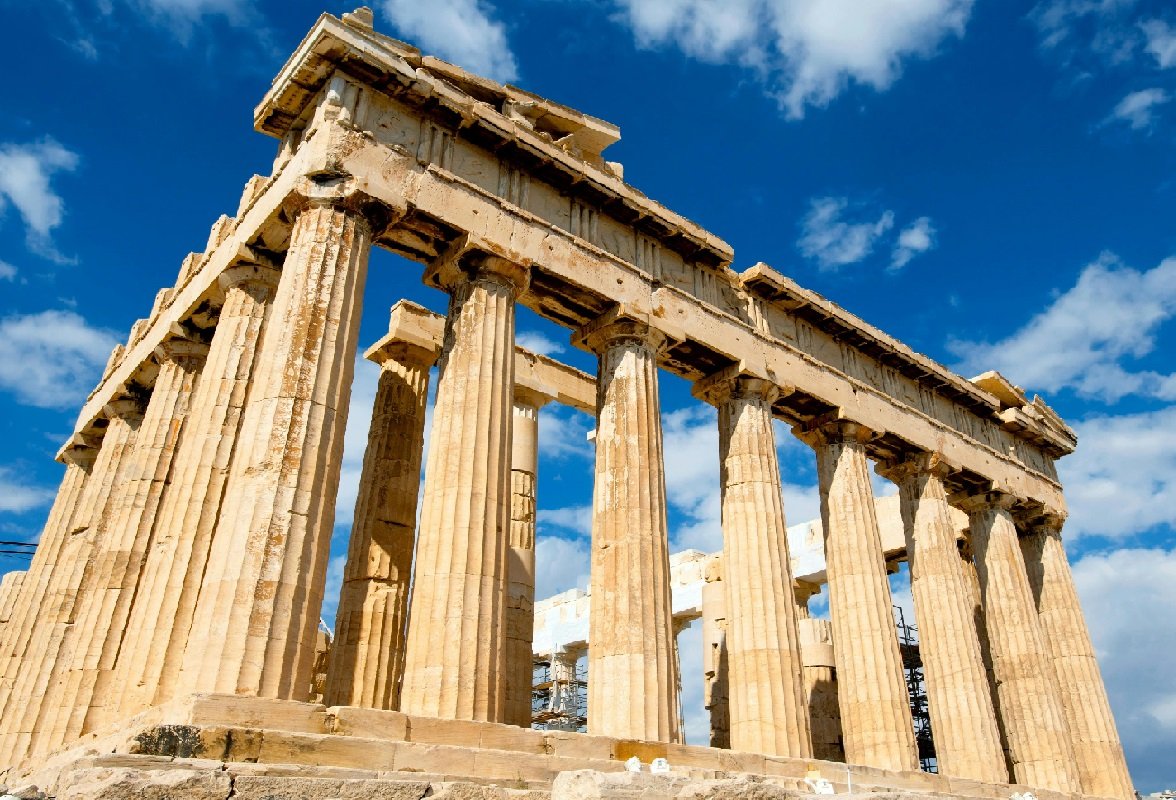
Nationalism movements have played a significant role in shaping the history of Greece. From the struggle for independence against the Ottoman Empire to modern-day debates over national identity and sovereignty, nationalism has been a driving force behind many key events in the country's history. The roots of Greek nationalism can be traced back to the early 19th century, when the Greeks rose up against Ottoman rule in a bid to establish an independent Greek state. This War of Independence, which lasted from 1821 to 1832, was fueled by a strong sense of national identity and a desire for self-determination. Following their victory in the War of Independence, the Greeks sought to create a unified national identity that was grounded in their shared history, language, and culture. This led to a period of cultural and intellectual flourishing known as the Greek Enlightenment, during which writers, poets, and scholars sought to revive and promote Greek language and heritage. In the 20th century, Greece experienced a turbulent period marked by territorial disputes, wars, and political upheaval. Nationalism played a central role in many of these events, with movements advocating for the protection of Greek territories and the rights of ethnic Greeks living in neighboring countries. One of the most significant nationalist movements in modern Greek history was the irredentist movement, which sought to reclaim territories with a significant Greek population, such as Cyprus and parts of Asia Minor. This movement continues to influence Greek politics and foreign policy to this day, with many Greeks still advocating for the reunification of Cyprus and the protection of Greek minorities in neighboring countries. In recent years, Greece has also seen the rise of nationalist political parties, such as the Golden Dawn party, which have gained popularity by tapping into concerns over national identity, immigration, and economic security. While these parties have attracted a loyal following, they have also been criticized for promoting xenophobia, racism, and extremism. Despite these challenges, Greek nationalism continues to be a powerful force in shaping the country's identity and politics. As Greece grapples with issues of economic uncertainty, political instability, and foreign influence, the role of nationalism in shaping the country's future remains as relevant as ever. Dropy by for a visit at the following website https://www.indicazioni.com also click the following link for more https://www.cruzar.org For more info https://www.abandonar.org You can find more about this subject in https://www.culturelle.org Seeking in-depth analysis? The following is a must-read. https://www.departements.org also for more https://www.regionales.net
Leave a Comment:
SEARCH
Recent News
- The real estate market in Greece has seen significant fluctuations over the past few years, with varying trends and challenges impacting the sector. Meanwhile, Zurich, Switzerland, is renowned for its strong and stable real estate market, making it an attractive destination for property investors and homeowners alike.
- The Rise of Greek Startups in Zurich, Switzerland
- Zurich, Switzerland is renowned for its thriving financial sector and high quality of life. However, not many people are aware of the strong presence of Greek industry in the city. Over the years, Greek businesses have established a significant foothold in Zurich, contributing to the local economy and enriching the cultural diversity of the city.
- Zurich, known for its stunning scenery and vibrant business scene, is a bustling city in Switzerland that attracts people from all over the world. Among the diverse range of businesses that thrive in Zurich, Greek businesses play a significant role in contributing to the city's economic growth and cultural diversity.
- Zurich, Switzerland and Athens, Greece are two vibrant cities with their own unique business environments. While Zurich is known for its financial industry and high standard of living, Athens is a bustling hub for commerce and tourism.
- Creating YouTube content related to the real estate market in Greece can be a lucrative and exciting endeavor for content creators looking to reach a global audience. With the rise of online platforms, such as YouTube, real estate professionals have a unique opportunity to showcase properties, provide market insights, and attract potential investors from all over the world. In this blog post, we will explore the benefits of creating YouTube content focused on the real estate market in Greece and the importance of translation in reaching international viewers.
- Exploring YouTube Content Creation and Translation in Greek Startups
- Exploring the Greek Islands: A Travel Guide for Content Creators
READ MORE
10 months ago Category :

The real estate market in Greece has seen significant fluctuations over the past few years, with varying trends and challenges impacting the sector. Meanwhile, Zurich, Switzerland, is renowned for its strong and stable real estate market, making it an attractive destination for property investors and homeowners alike.
Read More →10 months ago Category :

The Rise of Greek Startups in Zurich, Switzerland
Read More →10 months ago Category :

Zurich, Switzerland is renowned for its thriving financial sector and high quality of life. However, not many people are aware of the strong presence of Greek industry in the city. Over the years, Greek businesses have established a significant foothold in Zurich, contributing to the local economy and enriching the cultural diversity of the city.
Read More →10 months ago Category :
