Greece, known for its rich history, ancient ruins, and stunning landscapes, also has a unique approach to logic that has influenced western philosophy for centuries. The concept of logic in Greece can be traced back to the classical era, where thinkers like Socrates, Plato, and Aristotle laid the foundation for logical reasoning and argumentation.
Category : | Sub Category : Posted on 2025-11-03 22:25:23
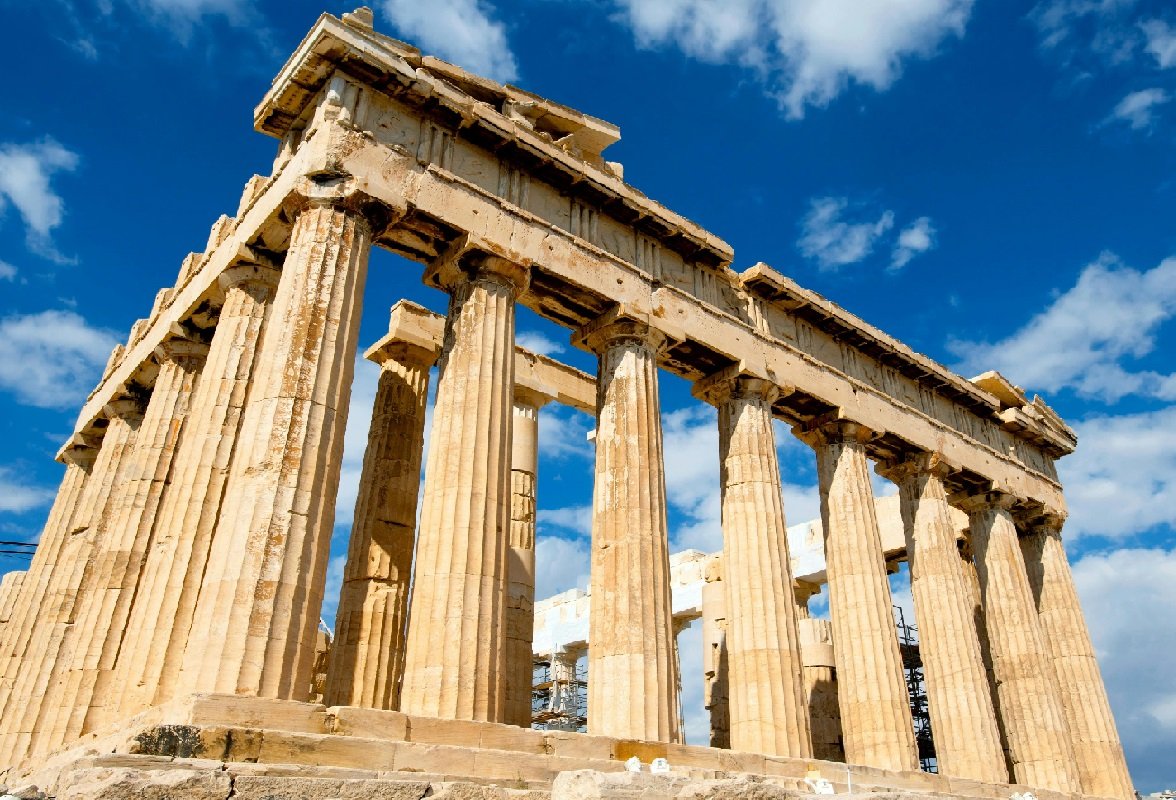
One of the key contributions of Greek logic is the development of deductive reasoning, which involves drawing conclusions from a set of premises using valid logical rules. This method of reasoning was formalized by Aristotle in his work "Organon," where he introduced the syllogism as a tool for constructing valid arguments. The Greek philosophers also emphasized the importance of precise definitions and clear language in logical reasoning. Socrates, for example, was known for his dialectical method, where he engaged in conversations with others to uncover the underlying assumptions and contradictions in their arguments. Plato, a student of Socrates, extended this philosophical inquiry by exploring abstract concepts like the forms and the nature of reality. His dialogue, "The Republic," delves into questions of justice, ethics, and the ideal society, employing logical reasoning to tease out the implications of different positions. Aristotle, often regarded as the father of logic, further refined these ideas in his works on categories, physics, and metaphysics. He developed a system of logical rules that became the foundation of formal logic and influenced later thinkers like the medieval scholastics and modern logicians. In contemporary philosophy, the legacy of Greek logic continues to shape debates on issues ranging from ethics and politics to science and metaphysics. The emphasis on rigorous argumentation, clarity of thought, and precision in language that characterized the Greek approach to logic remains a valuable tool for critical thinking and intellectual inquiry. In conclusion, the tradition of logic in Greece has left a lasting impact on the development of philosophy and rational inquiry. By emphasizing the importance of systematic reasoning, precise definitions, and clear communication, Greek thinkers laid the groundwork for the discipline of logic as we know it today. Their insights continue to inspire and challenge us to think more critically and analytically about the world around us. click the following link for more information: https://www.indicazioni.com For a comprehensive overview, don't miss: https://www.cruzar.org To expand your knowledge, I recommend: https://www.abandonar.org For more info https://www.culturelle.org To see the full details, click on: https://www.departements.org Seeking answers? You might find them in https://www.regionales.net
Leave a Comment:
SEARCH
Recent News
- The real estate market in Greece has seen significant fluctuations over the past few years, with varying trends and challenges impacting the sector. Meanwhile, Zurich, Switzerland, is renowned for its strong and stable real estate market, making it an attractive destination for property investors and homeowners alike.
- The Rise of Greek Startups in Zurich, Switzerland
- Zurich, Switzerland is renowned for its thriving financial sector and high quality of life. However, not many people are aware of the strong presence of Greek industry in the city. Over the years, Greek businesses have established a significant foothold in Zurich, contributing to the local economy and enriching the cultural diversity of the city.
- Zurich, known for its stunning scenery and vibrant business scene, is a bustling city in Switzerland that attracts people from all over the world. Among the diverse range of businesses that thrive in Zurich, Greek businesses play a significant role in contributing to the city's economic growth and cultural diversity.
- Zurich, Switzerland and Athens, Greece are two vibrant cities with their own unique business environments. While Zurich is known for its financial industry and high standard of living, Athens is a bustling hub for commerce and tourism.
- Creating YouTube content related to the real estate market in Greece can be a lucrative and exciting endeavor for content creators looking to reach a global audience. With the rise of online platforms, such as YouTube, real estate professionals have a unique opportunity to showcase properties, provide market insights, and attract potential investors from all over the world. In this blog post, we will explore the benefits of creating YouTube content focused on the real estate market in Greece and the importance of translation in reaching international viewers.
- Exploring YouTube Content Creation and Translation in Greek Startups
- Exploring the Greek Islands: A Travel Guide for Content Creators
READ MORE
10 months ago Category :

The real estate market in Greece has seen significant fluctuations over the past few years, with varying trends and challenges impacting the sector. Meanwhile, Zurich, Switzerland, is renowned for its strong and stable real estate market, making it an attractive destination for property investors and homeowners alike.
Read More →10 months ago Category :

The Rise of Greek Startups in Zurich, Switzerland
Read More →10 months ago Category :

Zurich, Switzerland is renowned for its thriving financial sector and high quality of life. However, not many people are aware of the strong presence of Greek industry in the city. Over the years, Greek businesses have established a significant foothold in Zurich, contributing to the local economy and enriching the cultural diversity of the city.
Read More →10 months ago Category :
