Greece and Liechtenstein are two countries in Europe with distinct economies. While Greece is a Southern European country known for its history, culture, and tourism, Liechtenstein is a small landlocked country in Central Europe famous for its banking sector and high standard of living. Let's delve into the contrasting economies of these two nations.
Category : | Sub Category : Posted on 2025-11-03 22:25:23
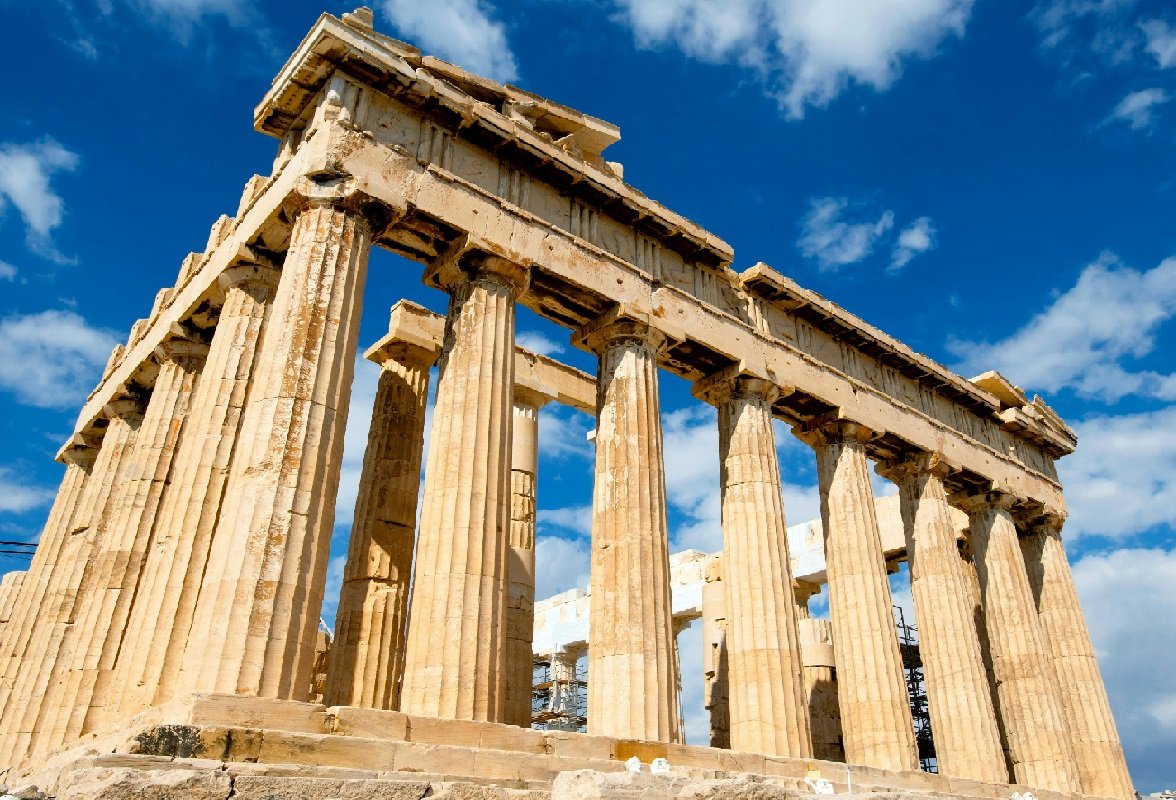
Greece, with a population of around 10 million people, has a mixed capitalist economy that relies heavily on the service sector, which accounts for around 80% of its GDP. Tourism is a significant contributor to the Greek economy, with millions of visitors flocking to its ancient ruins, beautiful islands, and beaches each year. Agriculture also plays a role in the economy, with products like olives, grapes, and dairy being important exports. However, Greece has faced economic challenges in recent years, including a debt crisis that led to bailouts from the European Union and the International Monetary Fund. Austerity measures were imposed in return for financial assistance, leading to public unrest and protests. The country has been working to implement reforms to strengthen its economy and reduce its debt burden. On the other hand, Liechtenstein, with a population of around 38,000 people, has one of the highest GDP per capita in the world. The country has a highly industrialized, free-market economy with a strong focus on financial services, including private banking and wealth management. Liechtenstein is known for its low taxes and business-friendly environment, attracting companies and wealthy individuals from around the world. Despite its small size, Liechtenstein has a diverse economy that includes manufacturing, tourism, and agriculture. The country is known for its precision manufacturing sector, producing goods such as electronics, ceramics, and dental products. Liechtenstein also has a strong agricultural sector, producing crops like wheat, barley, and potatoes in its mountainous terrain. In conclusion, Greece and Liechtenstein represent two different economic models within Europe. Greece's economy is more diversified but has faced challenges in recent years, while Liechtenstein's economy is highly specialized in financial services and manufacturing. Both countries have unique strengths and opportunities for growth, showcasing the diversity of economies within the European continent. Here is the following website to check: https://www.abandonar.org For a different take on this issue, see https://www.culturelle.org Have a look at https://www.departements.org this link is for more information https://www.regionales.net To get a holistic view, consider https://www.liechtensteininfo.com
Leave a Comment:
SEARCH
Recent News
- The real estate market in Greece has seen significant fluctuations over the past few years, with varying trends and challenges impacting the sector. Meanwhile, Zurich, Switzerland, is renowned for its strong and stable real estate market, making it an attractive destination for property investors and homeowners alike.
- The Rise of Greek Startups in Zurich, Switzerland
- Zurich, Switzerland is renowned for its thriving financial sector and high quality of life. However, not many people are aware of the strong presence of Greek industry in the city. Over the years, Greek businesses have established a significant foothold in Zurich, contributing to the local economy and enriching the cultural diversity of the city.
- Zurich, known for its stunning scenery and vibrant business scene, is a bustling city in Switzerland that attracts people from all over the world. Among the diverse range of businesses that thrive in Zurich, Greek businesses play a significant role in contributing to the city's economic growth and cultural diversity.
- Zurich, Switzerland and Athens, Greece are two vibrant cities with their own unique business environments. While Zurich is known for its financial industry and high standard of living, Athens is a bustling hub for commerce and tourism.
- Creating YouTube content related to the real estate market in Greece can be a lucrative and exciting endeavor for content creators looking to reach a global audience. With the rise of online platforms, such as YouTube, real estate professionals have a unique opportunity to showcase properties, provide market insights, and attract potential investors from all over the world. In this blog post, we will explore the benefits of creating YouTube content focused on the real estate market in Greece and the importance of translation in reaching international viewers.
- Exploring YouTube Content Creation and Translation in Greek Startups
- Exploring the Greek Islands: A Travel Guide for Content Creators
READ MORE
10 months ago Category :

The real estate market in Greece has seen significant fluctuations over the past few years, with varying trends and challenges impacting the sector. Meanwhile, Zurich, Switzerland, is renowned for its strong and stable real estate market, making it an attractive destination for property investors and homeowners alike.
Read More →10 months ago Category :

The Rise of Greek Startups in Zurich, Switzerland
Read More →10 months ago Category :

Zurich, Switzerland is renowned for its thriving financial sector and high quality of life. However, not many people are aware of the strong presence of Greek industry in the city. Over the years, Greek businesses have established a significant foothold in Zurich, contributing to the local economy and enriching the cultural diversity of the city.
Read More →10 months ago Category :
