General Information
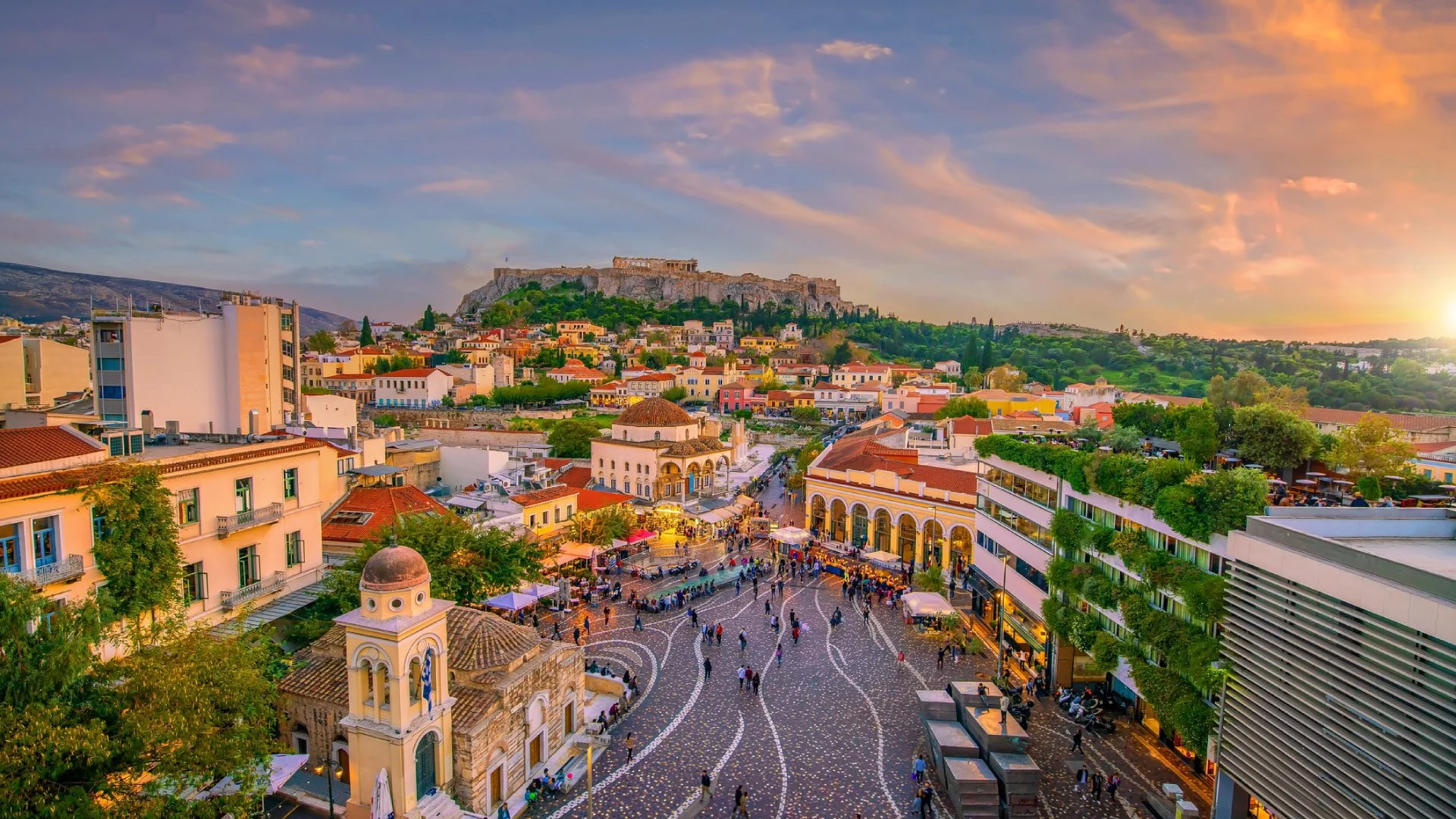
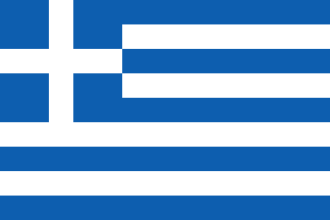
Greece, officially the Hellenic Republic, is a country in Southeast Europe. Located on the southern tip of the Balkan peninsula, it shares land borders with Albania to the northwest, North Macedonia and Bulgaria to the north, and Turkey to the east. The Aegean Sea lies to the east of the mainland, the Ionian Sea to the west, and the Sea of Crete and the Mediterranean Sea to the south. Greece has the longest coastline on the Mediterranean basin, spanning thousands of islands and nine traditional geographic regions. It has a population of over 10 million. Athens is the nation's capital and largest city, followed by Thessaloniki and Patras.
- Population: 10,300,000+
- Area: 131,957 km²
- Coordinates: Coordinates not available
- Timezone: Timezone info not available
- Current Local Time: ailab
Latest Greece News
ertnews.gr
Nolo και Polo: Για δεύτερη φορά μέσα στο μήνα ταυτόχρονοι τυφώνες στον Ειρηνικό – Συναγερμός σε Χαβάη και Μεξικό
Η τρίτη επικίνδυνη κακοκαιρία στα νησιά της Χαβάης μέσα σε μόλις έξι εβδομάδες, είναι σε εξέλιξη με τον τυφώνα Νόλο να προκαλεί βροχοπτώσεις στα νότια του Μεγάλου Νησιού ενώ συνοδεύεται από ανέμους 150 χιλιομέτρων την ώρα. Η προειδοποίηση για τυφώνα ακυρώθηκε και δεν αναμενόταν άμεση προσέγγιση της ξηράς από το «μάτι» της καταιγίδας. Ωστόσο, οι μετεωρολόγοι προειδοποιούν για πλημμύρες και κατολισθήσεις, εν μέσω της τροπικής περιόδου του Ειρηνικού, η οποία ενισχύεται από το φετινό σούπερ Ελ Νίνιο. Το επίκεντρο του Νόλο βρίσκεται στα 260 χιλιόμετρα νότια της Χαβάης. SOAKED BY NOLO Heavy rain and gusty winds soaked Hawaii's Big Island as Hurricane Nolo continued its approach to the island chain. Outer bands from the storm brought downpours to eastern coastal communities, with high surf and flash flooding remaining major concerns as the… pic.twitter.com/4pQ6Jcncrq— FOX Weather (@foxweather) September 26, 2026 Ο Ντόναλντ Τραμπ ενέκρινε την κήρυξη κατάστασης έκτακτης ανάγκης για την πολιτεία, εξουσιοδοτώντας την Ομοσπονδιακή Υπηρεσία Διαχείρισης Εκτάκτων Αναγκών, ενεργοποιώντας εκατοντάδες μέλη της Εθνοφρουράς της Χαβάης. Εν τω μεταξύ, στο Μεξικό ο τυφώνας Πόλο ενισχύεται με ανέμους 145 χιλιομέτρων την ώρα και κατευθύνεται προς τη χερσόνησο Μπάχα της Καλιφόρνιας. Así se ve el huracán Polo, de categoría 5, a su paso por Los Cabos, Baja California Sur.: Adriana Márquez vía @Radio_Formula pic.twitter.com/BKmCdoCjwV— Azucena Uresti (@azucenau) September 25, 2026 Δύο μήνες πριν ολοκληρωθεί η περίοδος των τυφώνων στον Ειρηνικό, 19 καταιγίδες με όνομα — συμπεριλαμβανομένων τριών τυφώνων Κατηγορίας 5 έχουν αναπτυχθεί στο ανατολικό και κεντρικό κομμάτι του ωκεανού. Three hurricanes in the Pacific: the fingerprints of a record-strong El Niño.Nolo will lurk south of Hawaii. Odalys could bring some heavy rain to Southern California Sunday-Monday. Polo might flood parts of Arizona, New Mexico, Colorado, Kansas, Oklahoma and Texas next week. pic.twitter.com/X0EQ3wC4ha— Ben Noll (@BenNollWeather) September 25, 2026 Για δεύτερη φορά αυτόν τον μήνα, τρεις τυφώνες – οι Nolo, Odalys και Polo – σάρωσαν ταυτόχρονα τον Ειρηνικό. Διαβάστε επίσης: Polo και Nolo: Δύο ισχυροί τυφώνες απειλούν Χαβάη και Μεξικό με πλημμύρες – Εικόνες μέσα από το «μάτι» του ενός, από αεροσκάφος www.ertnews.gr
ertnews.gr
Λιβύη: Άνοιξε ξανά αγωγός πετρελαίου τον οποίο είχε κλείσει ομάδα ενόπλων
Η Εθνική Επιχείρηση Πετρελαίου (ΕΕΠ) της Λιβύης ανακοίνωσε ότι ξανάνοιξε αγωγός πετρελαίου τον οποίο είχε κλείσει για μέρες ομάδα ενόπλων, προκαλώντας διακοπή της λειτουργίας του η οποία υπολογίζεται πως είχε κόστος 95 εκατομμυρίων αμερικανικών δολαρίων για τη χώρα. Ο αγωγός συνδέει το κοίτασμα Ας Σαράρα (νοτιοδυτικά) με τερματικό σταθμό στο λιμάνι στην πόλη Ζαουίγια (βόρεια). Τον πετρελαιαγωγό διαχειρίζεται η Akakus, κοινοπραξία της ΕΕΠ, της Repsol (Ισπανία), της TotalEnergies (Γαλλία), της ÖMV (Αυστρία) και της Statoil (Νορβηγία). «Τεχνικές και επιχειρησιακές ομάδες επιτόπου» φρόντισαν να «εγγυηθούν» την επανέναρξη της λειτουργίας του αγωγού «με κάθε ασφάλεια», διαβεβαίωσε η ΕΕΠ. Η ομάδα των ενόπλων είχε κλείσει τη συγκεκριμένη στρόφιγγα του αγωγού τη Δευτέρα, προκαλώντας μεγάλη μείωση της παραγωγής. Προβλήματα στην παραγωγή πετρελαίου και αερίου ενσκήπτουν συνεχώς στη Λιβύη, όπου ένοπλες ομάδες ή κινήματα διαμαρτυρίας προχωρούν συχνά σε αποκλεισμούς κοιτασμάτων αργού, πετρελαιαγωγών ή τερματικών σταθμών, προκειμένου να ικανοποιηθούν διάφορες διεκδικήσεις τους. Η αποστολή υποστήριξης του ΟΗΕ στη Λιβύη (MANUL στα γαλλικά, UNSMIL στα αγγλικά) εξέφρασε την «ανησυχία» της για τα προβλήματα στον αγωγό Σαράρα-Ζαουίγια. Σημείωσε ότι έπληξαν «την κυριότερη πηγή εσόδων» των Λίβυων και αύξησαν «την ανάγκη εισαγωγών καυσίμων», πέρα από το ότι άσκησαν «επιπλέον πίεση στα δημοσιονομικά». Η χώρα με τα μεγαλύτερα επιβεβαιωμένα αποθέματα πετρελαίου στην Αφρική βυθίστηκε στο χάος μετά την εξέγερση που οδήγησε στην ανατροπή και τον θάνατο του Μουάμαρ Καντάφι το 2011. Η χώρα εξακολουθεί να έχει δυο αντίπαλες κυβερνήσεις που διεκδικούν την εξουσία η καθεμιά για λογαριασμό της: αυτή υπό τον πρωθυπουργό Αμπντελχαμίντ Ντμπάιμπα, με έδρα την Τρίπολη, αναγνωρισμένη από τη διεθνή κοινότητα· και δεύτερη στο ανατολικό τμήμα της χώρας, που ελέγχουν ο ισχυρός στρατάρχης Χαλίφα Χαφτάρ και οι γιοι του. Πηγή: ΑFP, ΑΠΕ – ΜΠΕ www.ertnews.gr
Keep Talking Greece
Explosion in Athens: All six bodies recovered, the Fire Service confirmed
The spokesman of Greek Fire Service confirmed at 3 p.m. on Saturday, that all six bodies of missing persons have been retrieved from the rubble of the building that collapsed early Friday morning following a powerful explosion in Plaka, the historical and touristic center of Athens. The process of identification is due. At the time […] The post Explosion in Athens: All six bodies recovered, the Fire Service confirmed appeared first on Keep Talking Greece.
Keep Talking Greece
Athens explosion: Number of missing rises to six: 1 Greek, 2 Britons, 3 US nationals
Search works for the missing people in the rubble of the building that collapsed after an explosion in historical center of Athens, Plaka continue until late Friday night. According to latest information, the number of the missing people has risen to six from five as initially thought. The number was officially announced by the Mayor […] The post Athens explosion: Number of missing rises to six: 1 Greek, 2 Britons, 3 US nationals appeared first on Keep Talking Greece.
tovima.com
The Peptide Boom That Isn’t About Your Muscles
The real opportunity is pill-form peptides that could hit big pharma’s most profitable franchises
tovima.com
A Tough Winter Looms for Greece’s Economy. What’s the Plan?
Greece has cash to cushion fuel and heating costs this winter but little room under EU spending rules to use it, so officials are waiting on oil prices before deciding how much to spend
BBC News
Russia targeting 'ordinary life' with attacks on Ukraine's data centres, Zelensky says
Such strikes aim to disrupt "people's ability to stay connected, study, work", says Ukraine's president.
BBC News
Pope warns against 'losing humanity' to AI machines
The pontiff delivered the warning on the first day of his trip to France on Friday.
BBC News
OpenAI bots meddled with multiple US government agency sites
OpenAI said its bots accessed public data from a range of institutions during test exercises.
BBC News
Could an iced coffee freeze you out of the job market?
Employees and recruiters weigh into the online debate around interview etiquette.
Al Jazeera – Breaking News, World News and Video from Al Jazeera
EU unlocks humanitarian aid for Africa and other crisis-hit regions
EU allocates majority of aid to sub-Saharan Africa to fund actions related to migration, conflict and food insecurity.
Al Jazeera – Breaking News, World News and Video from Al Jazeera
Araghchi ignores Trump, waits for mediators’ response on Hormuz
Iran says it’s still waiting for an official response from the US on its proposal to reopen the Strait of Hormuz.
France 24 - International breaking news, top stories and headlines
Pope Leo XIV celebrates open-air Mass in front of 800,000 people in central Paris
More than 800,000 people filled the streets of central Paris to hear Pope Leo XIV say Mass on Saturday, according to Vatican estimates. The pontiff rounded out the second day of his four-day apostolic visit to France by praying at the Grotto of Massabielle in Lourdes, a renowned pilgrimage site for Catholics from across the world.
France 24 - International breaking news, top stories and headlines
Maricarmen Vs The ‘Vultures’: A “social tragedy” mobilising Spaniards
Protests are ongoing in Madrid right now, with many demonstrators holding signs and banners that read “Maricarmen vs the Vultures”. “Maricarmen, you are not alone.” Or “Ni una Maricarmen más.” Not one more Maricarmen.